What Causes Failed IVF? Understanding Repeated Implantation Failure
Understand why IVF may fail, the possible causes of repeated implantation failure, and the tests and treatment options that may help identify contributing factors.
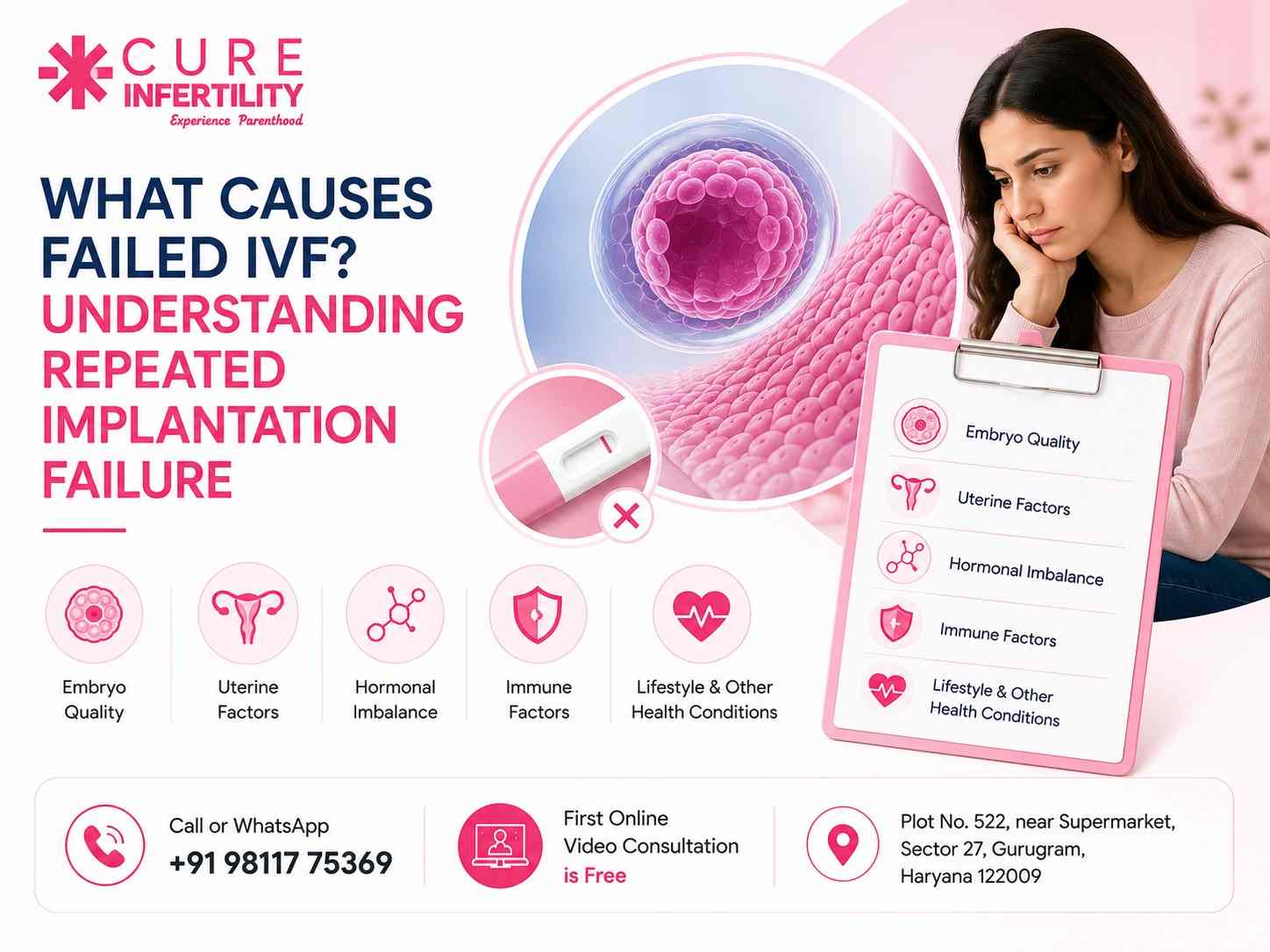
A failed IVF cycle is one of the hardest things a couple goes through, made worse by the sense that nobody can tell you why. The honest answer is that there usually is a reason, and in most cases it can be narrowed down considerably. Here's what actually causes IVF cycles to fail, what repeated implantation failure means, and what should happen next.
First, What Counts as a "Failed" IVF Cycle?
It's worth being precise, because "IVF didn't work" covers several very different situations, and each points to a different problem.
A cycle can fail at any of these stages:
- Poor ovarian response: too few eggs retrieved during stimulation
- Fertilisation failure: eggs retrieved but few or none fertilise
- Poor embryo development: embryos fertilise but arrest before reaching blastocyst stage
- Implantation failure: a good-quality embryo is transferred but no pregnancy results
- Early pregnancy loss: implantation occurs but the pregnancy doesn't continue
Knowing which of these happened is the single most useful piece of information going into the next cycle. If your clinic hasn't told you which stage failed, that's the first question to ask.
What Is Repeated Implantation Failure?
Repeated implantation failure (RIF) is generally defined as the failure to achieve pregnancy after the transfer of at least three good-quality embryos, or a cumulative number of embryos transferred without success. Definitions vary between centres, which is one reason the term gets used loosely.
The important distinction is this: RIF is a description, not a diagnosis. It tells you what happened, not why. The clinical job is to work out which underlying factor is responsible, and there are usually only a handful of realistic candidates.
Embryo-Related Causes
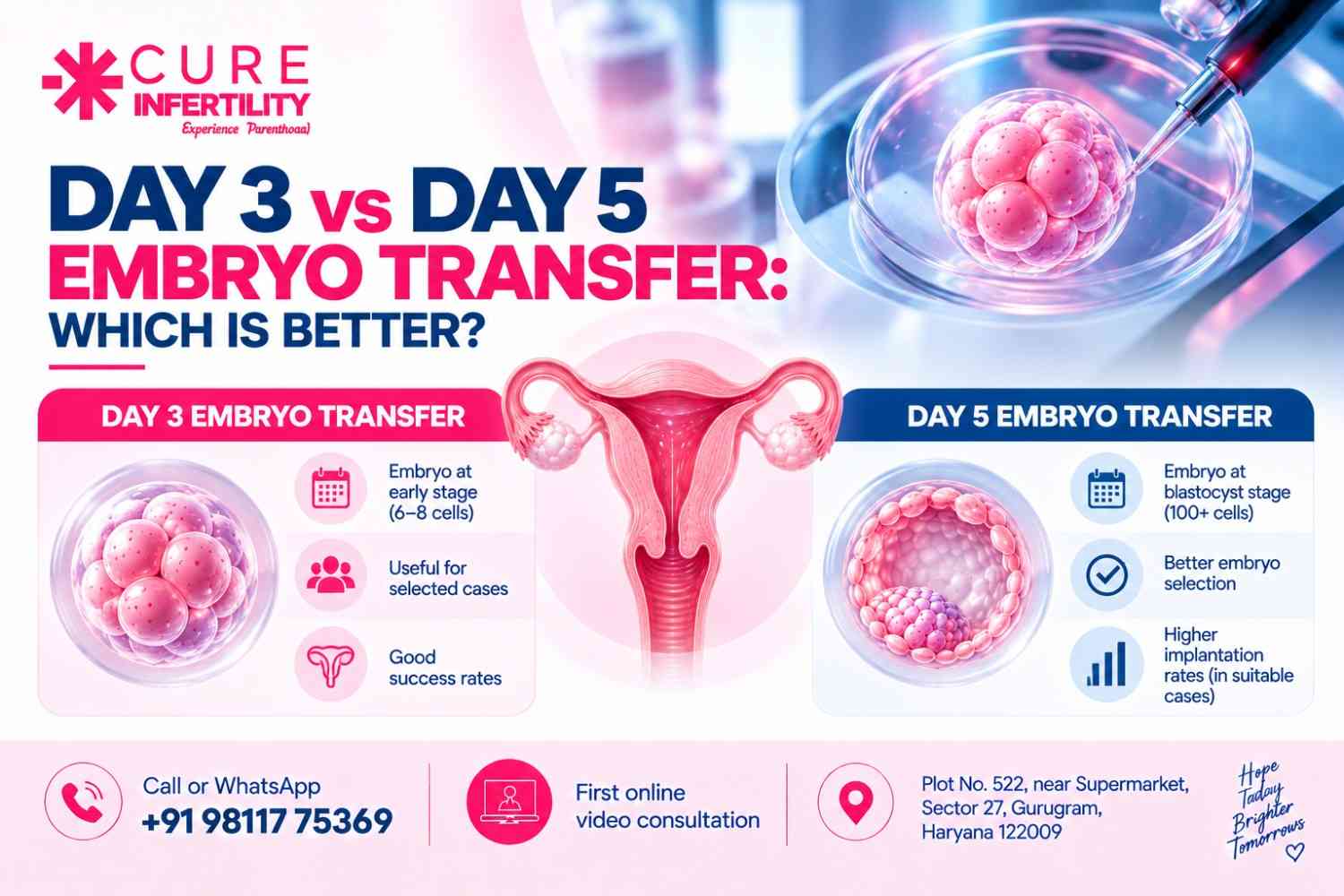
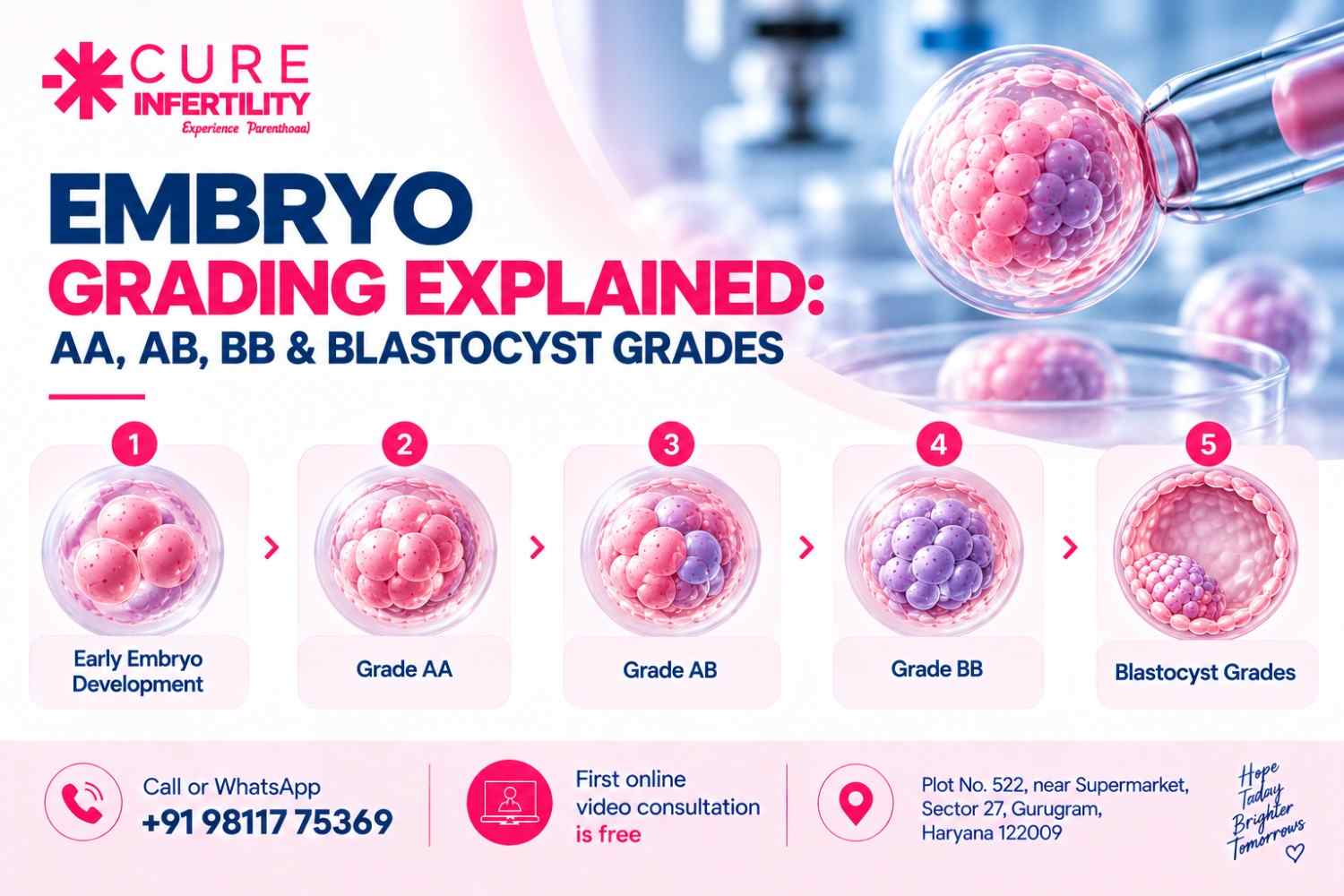
Chromosomal abnormality is the most common cause of implantation failure, by a wide margin. An embryo can look perfect under a microscope and still be chromosomally abnormal, because grading assesses appearance, not genetics. Aneuploid embryos either fail to implant or result in early loss.
This is closely tied to egg age. The proportion of chromosomally abnormal embryos rises steadily with maternal age, which is why implantation failure becomes more common over time and why the numbers shift as they do. You can read more on how IVF success rates vary by age.
Where this is suspected, PGT (preimplantation genetic testing) screens embryos for chromosomal abnormalities before transfer, so that only genetically normal embryos are used. For couples who have had repeated failures with good-looking embryos, this is often the highest-value next step.
Uterine and Endometrial Causes
Structural problems are among the most fixable causes, and among the most frequently overlooked. Polyps, submucosal fibroids, intrauterine adhesions (Asherman's syndrome) and a uterine septum can all prevent implantation while causing no symptoms at all. A standard ultrasound doesn't always pick them up. Hysteroscopy and laparoscopy allow direct visualisation of the uterine cavity, and most of these issues can be corrected in the same sitting.
Chronic endometritis, a low-grade inflammation of the uterine lining, is a genuinely underdiagnosed cause. It typically produces no symptoms, doesn't show on routine scans, and requires an endometrial biopsy to detect. It's also treatable with a course of antibiotics, which makes missing it particularly costly.
A shifted implantation window. The endometrium is only receptive to an embryo for a narrow window, and in a subset of women that window sits earlier or later than the standard transfer timing assumes. An endometrial biopsy and ERA test identifies whether your personal window is displaced, so the transfer can be timed to it rather than to the average.
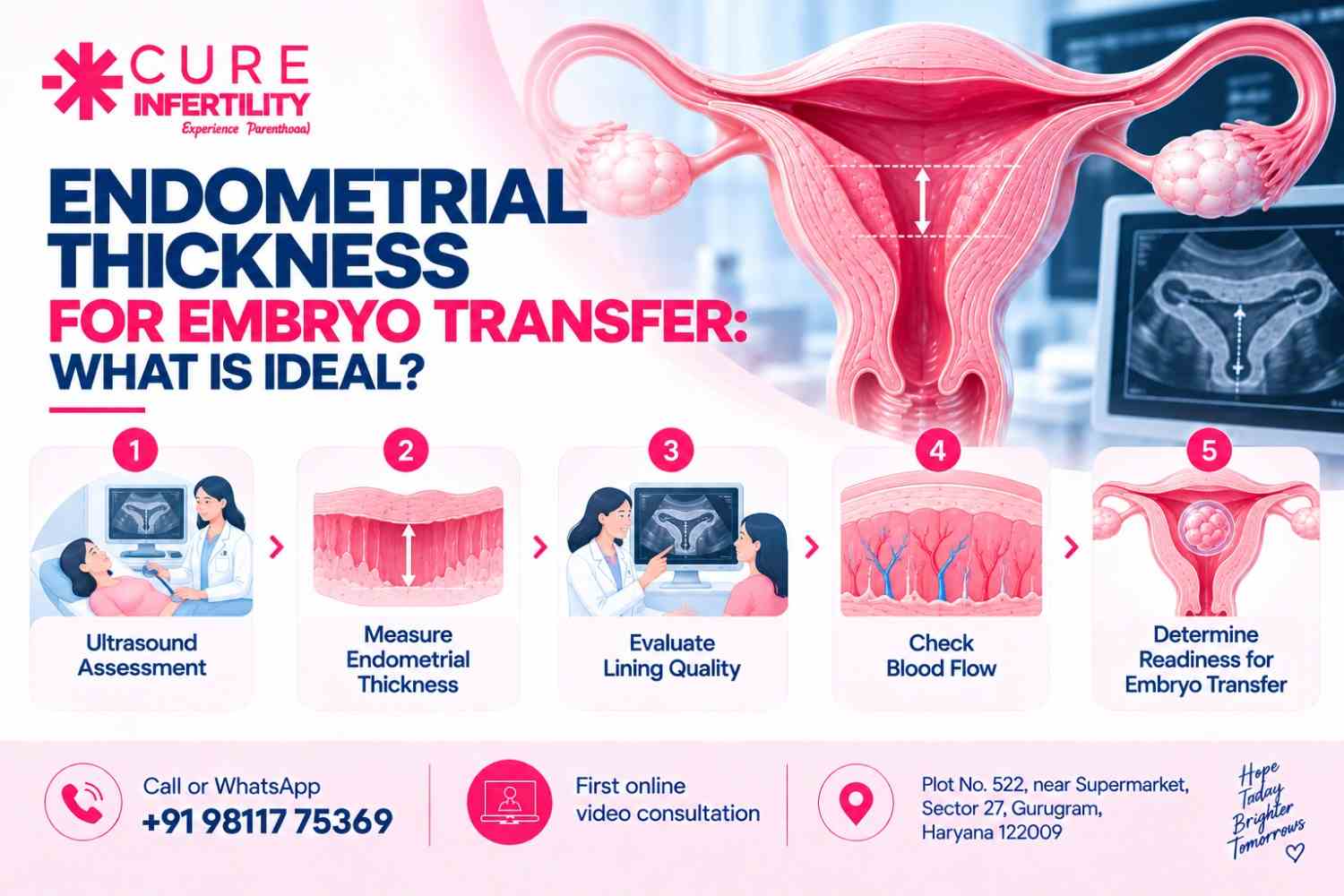
Thin endometrium, usually defined as below 7mm at the time of transfer, reduces implantation chances and can result from previous surgery, infection or poor blood flow.
Sperm-Related Causes
Sperm contributes half the embryo's genetic material, and its role in implantation failure is consistently underweighted. High sperm DNA fragmentation can produce embryos that fertilise and divide normally but fail to implant or arrest later, and it isn't detected by a routine semen analysis, which measures count, motility and morphology rather than DNA integrity.
Where male factor is significant, ICSI allows a single selected sperm to be injected directly into each egg. In cases of azoospermia, where no sperm are present in the ejaculate, surgical sperm retrieval techniques such as PESA, TESA and Micro TESE can obtain sperm directly from the testis or epididymis, often with better DNA integrity than ejaculated sperm in these cases.
Other Contributing Factors
Hydrosalpinx, a fluid-filled blocked fallopian tube, is worth flagging separately because the fluid can leak into the uterine cavity and is directly toxic to embryos. It measurably reduces IVF success, and surgical management before transfer is well established as improving outcomes.
Endometriosis can affect both egg quality and endometrial receptivity, and often coexists with other factors.
Untreated thyroid dysfunction and elevated prolactin are simple to test for and simple to correct, and both can interfere with implantation.
Immunological and clotting factors come up frequently in this conversation, and this is where you should be most cautious. Some are legitimately associated with recurrent loss, but many of the tests and treatments marketed for "immune implantation failure" are not supported by strong evidence and are expensive. If a treatment is being recommended in this category, ask specifically what evidence supports it in your situation.
Lifestyle factors such as smoking, significant weight extremes at either end, and heavy alcohol use have measurable effects on outcomes.
What Should Happen After a Failed Cycle
A repeat of the same protocol without investigation is the thing to avoid. A proper post-failure review should cover:
- Which stage failed, established clearly from your cycle records
- Review of stimulation response, egg numbers and quality, fertilisation rate and embryo development
- Uterine assessment, with hysteroscopy where indicated, plus biopsy for chronic endometritis
- Repeat male factor evaluation, including DNA fragmentation testing where relevant
- Consideration of genetic testing of embryos, particularly with advancing age or repeated failure
- Screening for hydrosalpinx, thyroid dysfunction and prolactin abnormalities
- A protocol change where the response warrants it, rather than a default repeat
You can see the full range of treatment and diagnostic options here, and IVF protocols themselves can be adjusted considerably depending on what the review turns up.
An Honest Word on Expectations
Two things are true at once, and both matter.
Cumulative success rates across multiple cycles are meaningfully higher than the rate for any single cycle. Many couples who eventually conceive through IVF do so on a second or third attempt. A failed cycle is not a verdict.
At the same time, repeating cycles without changing anything rarely changes the outcome. And there are situations where the honest conversation is about donor gametes or about stopping, and a doctor worth trusting will have that conversation with you rather than around it.
When to Seek a Second Opinion
Consider a second opinion if you've had two or more failed cycles with no investigation between them, if nobody has explained which stage failed, if the same protocol is being repeated unchanged, or if expensive add-ons are being recommended without a clear rationale tied to your specific findings.
You can book a free consultation with Dr. Rashmi Agrawal at the Sector 27, Gurugram clinic to review your previous cycle records, read more about her background and approach, or check the FAQ page.
FAQs
Why did my IVF fail even with a good-quality embryo?
Embryo grading assesses appearance, not chromosomes. A perfect-looking embryo can still be chromosomally abnormal, which is the single most common reason a good-quality embryo fails to implant.
How many failed cycles before it's called repeated implantation failure?
Definitions vary, but it's generally used after three or more transfers of good-quality embryos without pregnancy. It's a description of what happened, not an explanation of why.
Should I do PGT after a failed IVF cycle?
It's often worth considering, particularly with advancing age or after repeated failures with good-quality embryos, since it screens out chromosomally abnormal embryos before transfer. Whether it's right for you depends on your specific history.
Can chronic endometritis cause IVF failure?
Yes, and it's frequently missed because it causes no symptoms and doesn't show on routine scans. It requires an endometrial biopsy to diagnose and is treatable with antibiotics.
Does sperm quality affect implantation?
Yes. High sperm DNA fragmentation can produce embryos that develop normally but fail to implant, and it isn't picked up by a standard semen analysis.
How long should I wait before the next IVF cycle?
This depends on your protocol, your physical recovery and what investigations are planned in between. The more important question is what will be different next time, not how soon the next cycle starts.
Is it worth doing immune testing after failed IVF?
Some tests in this category have reasonable evidence behind them; many marketed ones do not. Ask specifically what evidence supports the recommended test and treatment for your situation before committing to it.
Medically reviewed
Reviewed by Dr. Rashmi Agrawal — MBBS (Gold Medalist), MS OBGYN, FNB Reproductive Medicine. This article is general information, not a substitute for a consultation about your own reports.
Book Consultation