Sperm DNA Fragmentation Test: Who Needs It?
Sperm DNA fragmentation testing isn't for every couple. Learn what it actually measures, who should get tested — recurrent miscarriage, failed IVF, varicocele — and what a high result does and doesn't mean.

Not every man needs this test. A standard semen analysis checks count, motility and shape, but it says nothing about whether the DNA inside the sperm is intact. Sperm DNA fragmentation (SDF) testing is a specific test, reserved for specific situations, not a routine add-on to every semen analysis. Here is who actually benefits from it, and who does not.
What Sperm DNA Fragmentation Actually Means
A standard semen analysis looks at how sperm appear and how they move: count, motility, and shape (morphology). It says nothing about the genetic material packed inside each sperm head.
Sperm DNA fragmentation refers to breaks or damage in that genetic material. A sperm can look completely normal under the microscope, swim well, and still carry DNA that is broken in enough places to affect what happens after fertilisation. The two things, appearance and movement on one side, genetic integrity on the other, are assessed by entirely different tests.
Why It Matters for Fertility
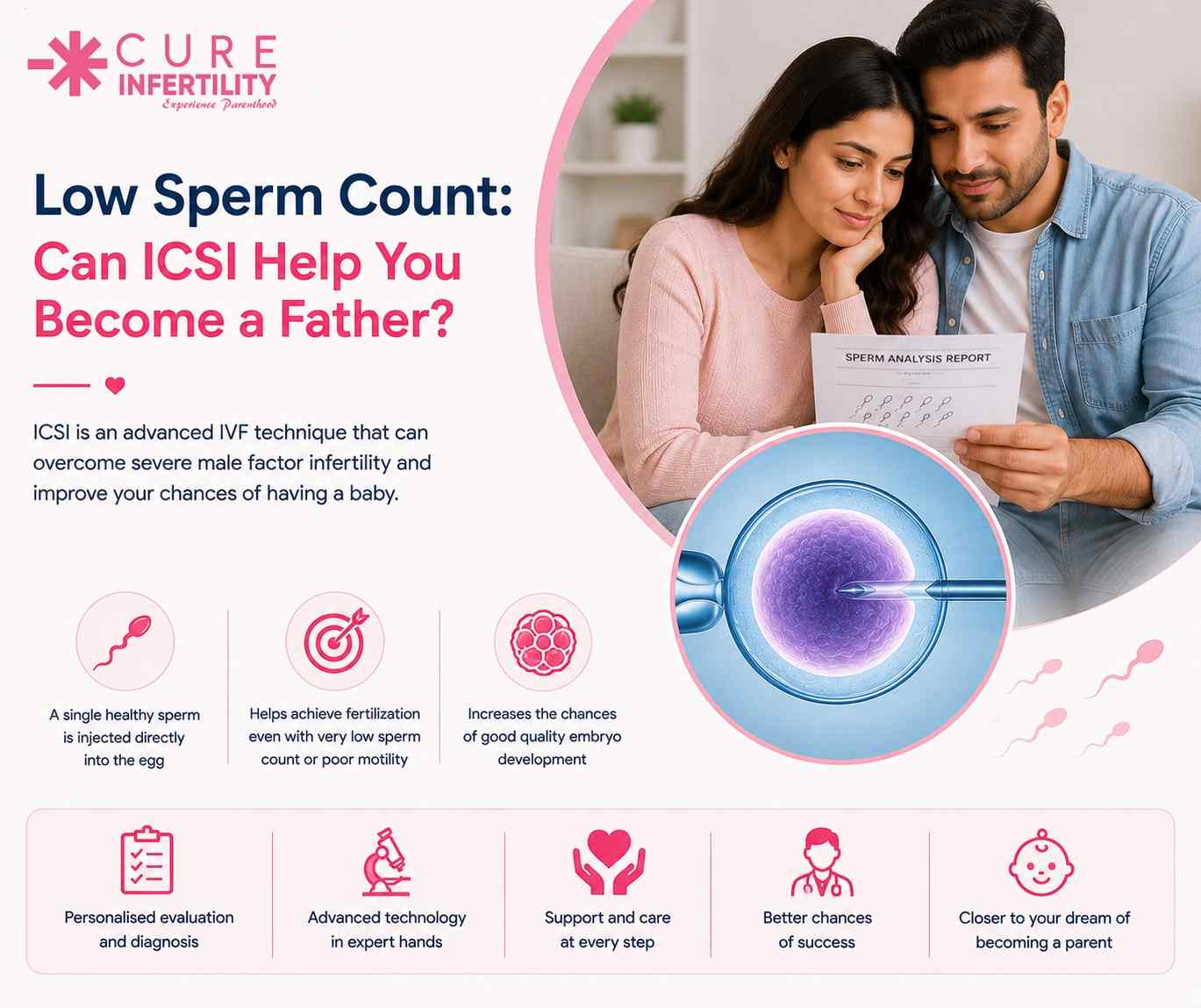
A sperm with fragmented DNA can usually still fertilise an egg, particularly with ICSI, where a single sperm is injected directly. Fertilisation is not where the problem shows up.
The problem shows up afterwards. The egg has some capacity to repair damaged sperm DNA after fertilisation, but that capacity is limited and declines with maternal age. Damage beyond what can be repaired is linked to poorer embryo development, lower implantation rates, and a higher chance of early miscarriage, even when the embryo looked fine on day 3 or day 5.
Oxidative stress is the main driver. Sperm are particularly vulnerable to it because they have very little of their own DNA repair machinery and limited antioxidant defence once they leave the testis.
What Raises Sperm DNA Fragmentation
Varicocele. One of the most consistent and treatable causes. The raised scrotal temperature and local oxidative stress it causes damages sperm DNA even when count and motility look acceptable.
Genital tract infection or inflammation. Ongoing infection generates oxidative stress directly in the reproductive tract.
Smoking and tobacco use. One of the clearest lifestyle contributors, with a dose-dependent effect.
Obesity and metabolic syndrome. Linked to higher systemic oxidative stress and altered hormone levels that affect sperm quality.
Advanced paternal age. Fragmentation tends to rise after about 40, independent of count or motility, which often stay normal.
Heat exposure. Laptops used directly on the lap, prolonged hot tub or sauna use, tight synthetic underwear, and occupations involving sustained heat all raise scrotal temperature and sperm DNA damage.
Environmental and occupational toxins. Pesticide exposure and certain industrial chemicals are associated with higher fragmentation.
Prior chemotherapy or radiotherapy. Both damage DNA directly, in sperm as in other rapidly dividing cells.
Long abstinence before the sample is collected. Sperm sitting in storage for an extended period before ejaculation tend to show more fragmentation, which is why most labs ask for 2 to 5 days of abstinence, not longer, before a sample for this specific test.
Who Should Actually Get Tested
This test earns its place in specific situations, not as a default part of every infertility work-up.
- Recurrent pregnancy loss (two or more miscarriages) where the female-side work-up has not found a clear cause
- Repeated IVF or ICSI failure despite good quality eggs and apparently good embryos
- Unexplained infertility with an otherwise completely normal semen analysis
- A known varicocele, particularly when deciding whether repair is worthwhile
- Men over 40 planning IVF or ICSI
- A history of heavy smoking, obesity, significant heat exposure, or occupational toxin exposure
- Prior chemotherapy or radiotherapy before attempting conception
Who Can Skip It
If you are starting your first fertility evaluation, have a normal semen analysis, and none of the risk factors above, this is not usually the first test to reach for. It adds cost without changing the immediate treatment plan for most couples at that stage. It becomes relevant once a specific red flag appears, such as an unexplained failure or loss, rather than as a blanket add-on from day one.
How the Test Is Done
A semen sample is collected much like a standard analysis, and the lab uses one of a few techniques, such as SCSA (Sperm Chromatin Structure Assay), TUNEL, the Comet assay, or sperm chromatin dispersion (sometimes called Halosperm), to measure the proportion of sperm with damaged DNA. The result is usually expressed as a DNA Fragmentation Index, or DFI, a percentage.
As a rough guide, a DFI under about 15% is generally considered normal, 15 to 30% borderline to moderate, and above 30% high, though the exact cut-offs vary by method and by laboratory. A single percentage on a report should always be read in the context of your history and your fertility goals by a specialist, not compared against a number found online.
What a High Result Means, and What to Do About It
Treat what is treatable first. Varicocele repair, treating an underlying infection, stopping smoking, reducing heat exposure, and weight loss all have evidence behind them for lowering fragmentation over time. An antioxidant trial, typically for about three months, is sometimes added, though the evidence for this is more mixed and it works best alongside addressing the actual cause rather than on its own.
Give it time before retesting. Sperm take roughly 74 days to develop, so any intervention needs about three months before a repeat test will show whether it has actually made a difference.
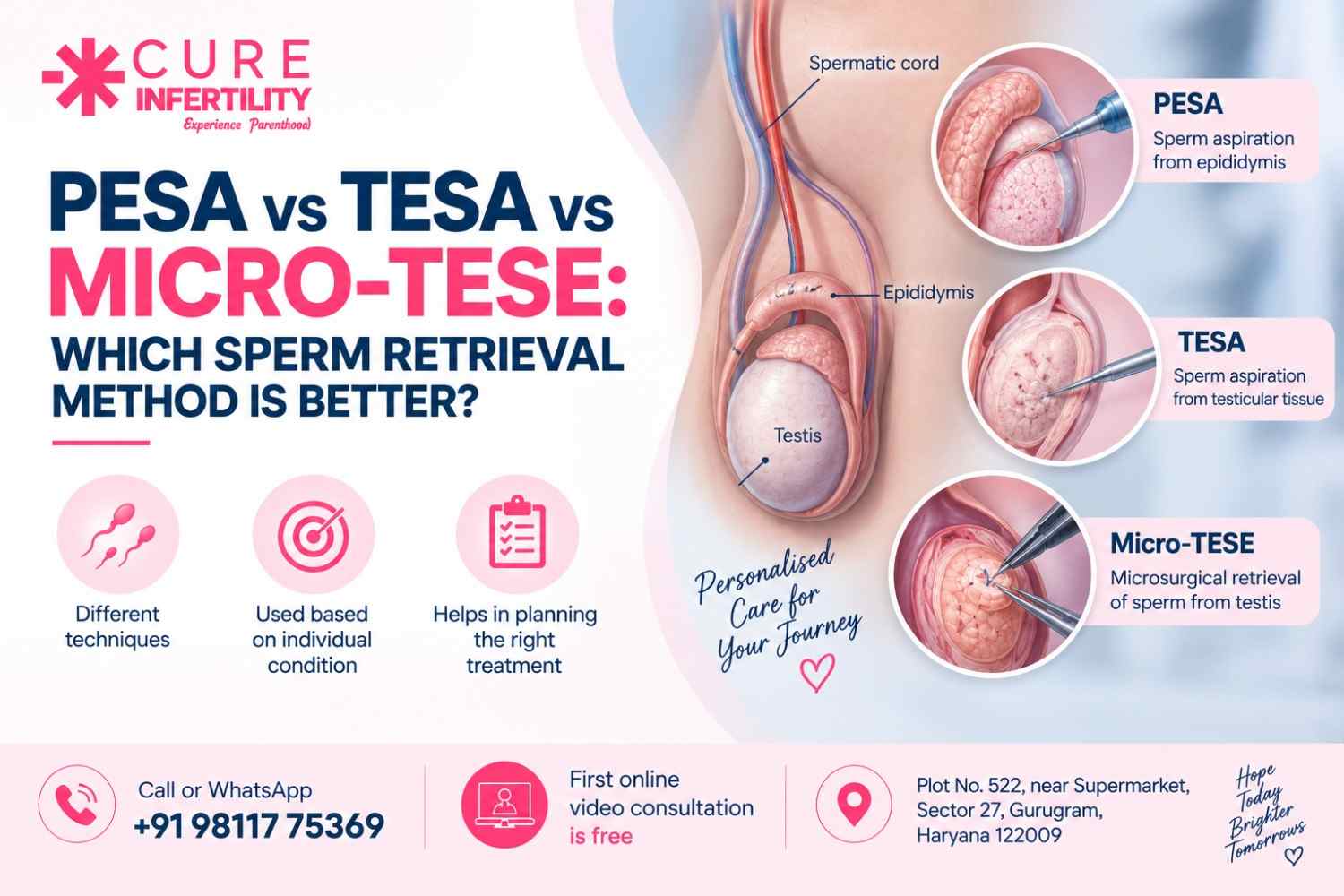
Testicular sperm is sometimes used instead of ejaculated sperm. In some men with persistently high DFI, sperm taken directly from the testis by TESA or TESE shows less DNA fragmentation than ejaculated sperm, because it has not yet passed through the epididymis, where oxidative damage tends to accumulate. This is used selectively for ICSI in men with high fragmentation and a history of poor embryo development, not as a routine step.
Does a High DFI Mean You Cannot Have a Baby?
No. A high DFI is a risk modifier, not a verdict. Many men with elevated fragmentation still conceive naturally or with treatment, especially once a reversible cause is addressed or ICSI with careful sperm selection is used. It changes the odds and the approach, not the conclusion that parenthood is out of reach.
What to Do Next
If recurrent miscarriage is the concern, this sits alongside the female-side and embryo-side work-up covered in PGT-SR for chromosomal translocations and repeated miscarriage. If repeated IVF failure is the concern, see repeated IVF failure: what tests should be considered next and what causes failed IVF. For the wider male factor picture, read low sperm count and ICSI.
You can see the full range of treatment options here, book a free consultation with Dr. Rashmi Agrawal at the Sector 27, Gurugram clinic to review your reports, read more about her background and approach, or check the FAQ page.
FAQs
Is sperm DNA fragmentation testing part of a routine semen analysis?
No. It is a separate, specialised test that looks at DNA integrity rather than count, motility or shape. It has to be specifically requested.
Can a man with a completely normal semen analysis still have high DNA fragmentation?
Yes. This is one of the main reasons the test exists. Count, motility and shape can all look normal while the DNA inside the sperm is significantly damaged.
What DFI percentage is considered high?
Roughly, under 15% is usually considered normal, 15 to 30% borderline to moderate, and above 30% high, though exact cut-offs vary by lab and by the method used. Your result should be interpreted alongside your history, not compared to a generic number.
Can lifestyle changes actually lower DNA fragmentation?
Often, yes, when the cause is reversible: quitting smoking, reducing heat exposure, losing weight, or treating an infection. Improvement takes about three months, matching the time sperm take to develop.
Does high DNA fragmentation always mean miscarriage?
No. It raises the risk of poor embryo development and early pregnancy loss, but many pregnancies with elevated fragmentation still proceed normally, particularly once reversible causes are addressed.
Should I get this test before my first IVF or ICSI cycle?
Usually not, unless you have a specific risk factor such as varicocele, heavy smoking, age over 40, or prior chemotherapy. For most couples starting their first cycle with a normal semen analysis, it is not a necessary first step.
Can antioxidants fix sperm DNA fragmentation?
The evidence is mixed. Some men see benefit, particularly alongside treating the actual cause, but antioxidants are not a guaranteed fix on their own. Discuss a specific regimen with your doctor rather than self-prescribing supplements.
Is testicular sperm better than ejaculated sperm when DNA fragmentation is high?
In some men with persistently high DFI and a history of poor embryo development, yes, because testicular sperm has not passed through the epididymis, where damage tends to accumulate. This is decided case by case, not used routinely for everyone.
Medically reviewed
Reviewed by Dr. Rashmi Agrawal — MBBS (Gold Medalist), MS OBGYN, FNB Reproductive Medicine, DMC Reg. No. 76953 (2016). This article is general information, not a substitute for a consultation about your own reports.
Book Consultation