Which Foods Can Help Improve Sperm Health Naturally?
No single food fixes a low sperm count, but diets rich in fish, vegetables, whole grains, nuts and legumes are linked to better semen quality. See what the evidence actually supports, and what doesn't work.
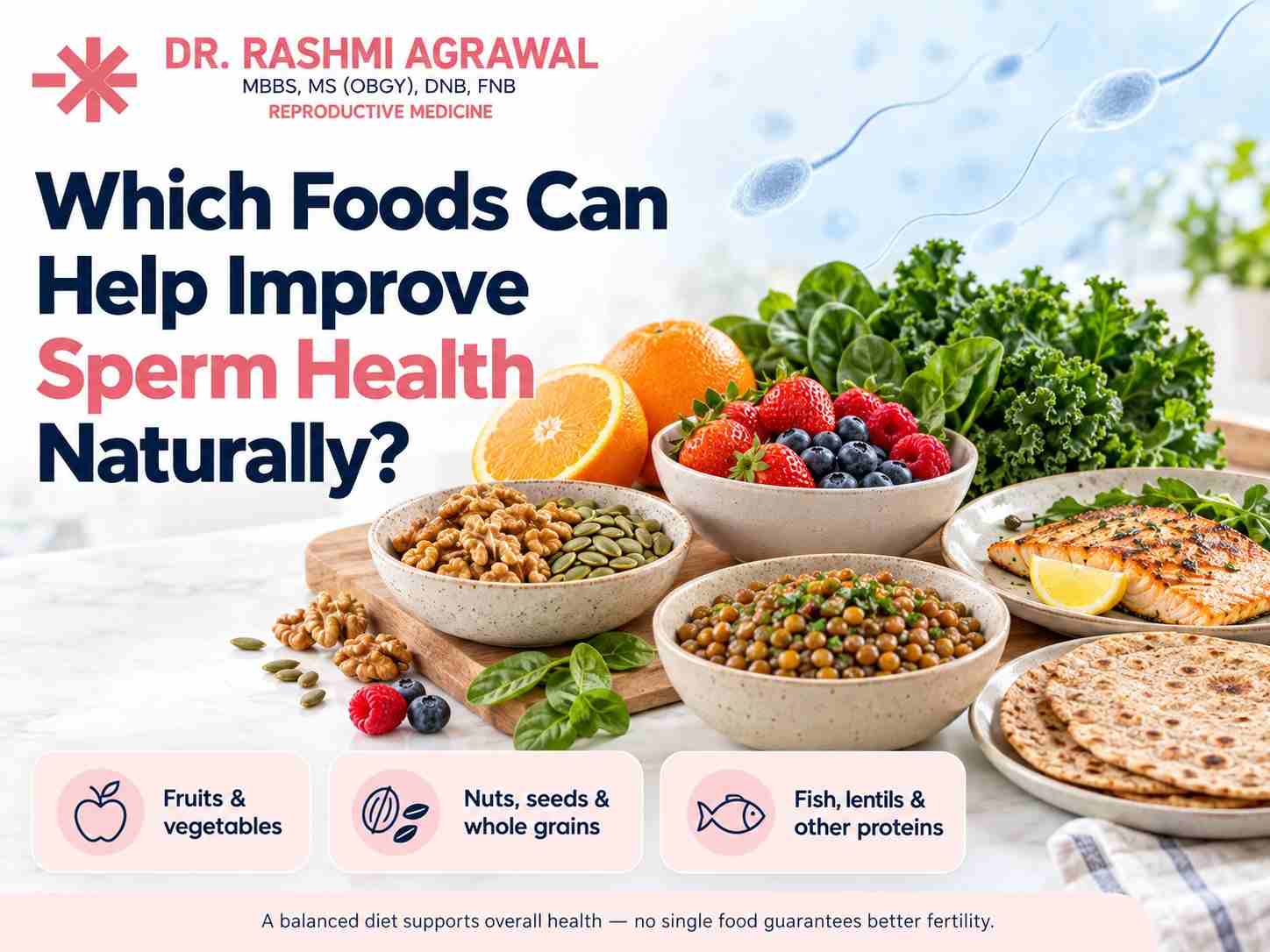
Diet does matter for sperm health, but probably less dramatically than the internet suggests. No single food will transform a low sperm count, and no "fertility superfood" replaces a proper semen analysis. What the research does show is that men who eat an overall healthy pattern of food tend to have better semen quality than men whose diets are high in processed meat, sugar and fried food. This article covers which foods are linked to healthier sperm, which are linked to poorer sperm, what the evidence on supplements really says, and how long any change takes to show.
The Honest Starting Point: What the Evidence Can and Cannot Tell Us
Most research on diet and sperm comes from observational studies, which compare what men eat with their semen results. A large systematic review of these studies, published in Human Reproduction Update, found consistent associations between healthier diets and better semen quality.
The important caveat, which the authors themselves stress, is that association is not proof of cause. Men who eat well also tend to smoke less, drink less, exercise more and weigh less, and any of these could explain part of the difference. Large, well-designed trials that change men's diets and measure the effect are still limited.
So the sensible way to read the evidence is this: a healthy diet is very likely to help sperm health a little, is good for the rest of your body regardless, and costs nothing to try. It is not a treatment for a significant sperm problem on its own.
Foods Linked to Better Sperm Health
The Human Reproduction Update review found healthier semen quality associated with diets rich in the following.
Fish and seafood. These provide omega-3 fatty acids, which are a major structural component of the sperm membrane. Fish such as rohu, mackerel, sardines and salmon are good sources for men who eat fish.
Vegetables and fruit. These supply antioxidants such as vitamin C, beta-carotene and lycopene, which help protect sperm from oxidative damage. Tomatoes are a good source of lycopene. Amla, guava, oranges and other citrus fruits provide vitamin C. Carrots, papaya and pumpkin provide beta-carotene. Green leafy vegetables such as spinach and methi provide folate.
Whole grains and cereals. Whole wheat, brown rice, oats, millets such as bajra, ragi and jowar, and other minimally processed grains were linked to better semen quality than refined grains.
Legumes. Dals, chana, rajma and other pulses provide folate, zinc and protein, and are a central part of a healthy Indian diet.
Nuts and seeds. Walnuts, almonds, flaxseed, chia seeds and pumpkin seeds provide healthy fats, vitamin E, zinc and plant-based omega-3. They are especially useful for vegetarian men, who get no omega-3 from fish.
Poultry and eggs. Lean protein sources were associated with better semen quality than red and processed meat.
Low-fat dairy. Skimmed milk and low-fat dairy were associated with better sperm quality in some studies, while full-fat dairy and cheese were associated with poorer quality.
The Nutrients That Matter Most
Rather than chasing individual foods, it helps to know which nutrients are involved.
- Antioxidants such as vitamins C and E, selenium, zinc, lycopene and beta-carotene help counter oxidative stress, which damages sperm membranes and DNA.
- Omega-3 fatty acids support the structure and movement of sperm.
- Folate is involved in making DNA. Good sources are green leafy vegetables, dals and legumes.
- Zinc plays a role in sperm production. It is found in nuts, seeds, legumes, whole grains, eggs and seafood.
- Vitamin D has been associated with better semen quality. Sunlight is the main source, which many indoor-working men in cities get very little of.
A varied diet built around the foods above provides all of these without needing to calculate anything.
Foods Linked to Poorer Sperm Health
The same review found poorer semen quality associated with diets high in:
- Processed meat, such as sausages, salami and other preserved meats. Red and processed meat were also linked to lower chances of pregnancy.
- Sugar-sweetened drinks, including soft drinks, packaged juices and energy drinks.
- Sweets and sugary snacks.
- Fried and heavily processed foods, which tend to be high in trans fats and saturated fats. In the Indian diet this includes many packaged namkeens, fried street food and foods cooked in reused oil.
- Full-fat dairy and cheese, in some studies.
- Alcohol, particularly at higher intakes, which was also linked to lower chances of pregnancy.
- Caffeine, at high intakes, which was associated with lower chances of pregnancy.
Some studies also linked soy foods and potatoes with poorer semen quality, though the evidence here is weaker and less consistent.
None of these means a single samosa or a cup of tea will harm your fertility. The concern is a regular diet built around these foods.
What About Fertility Supplements?
This is where the evidence is most often overstated, and where men spend the most money.
Folic acid and zinc. These are among the most heavily marketed nutrients for male fertility. A large randomised trial published in JAMA in 2020, involving more than 2,300 men whose partners were undergoing fertility treatment, tested daily folic acid and zinc against a placebo for six months. Supplementation did not improve sperm count, motility, morphology or live birth rates. Live birth rates were 34 percent with the supplement and 35 percent with placebo, and the authors concluded that the results do not support using folic acid and zinc to treat male infertility.
Antioxidant combinations. Many products combine several antioxidants, such as vitamin C, vitamin E, CoQ10, L-carnitine and selenium. Some small studies suggest benefit, particularly in men with high oxidative stress or high sperm DNA fragmentation, but the overall evidence is mixed and of limited quality. They may be reasonable in selected men, guided by a doctor, but they are not a substitute for diagnosing the underlying problem.
Herbal and Ayurvedic products. Products marketed for male vitality, such as those containing ashwagandha, shilajit or safed musli, are widely sold in India. Some have small studies behind them, but the evidence is limited, product quality varies considerably, and some products have been found to contain undeclared ingredients. Be cautious, and tell your doctor what you are taking.
The general rule: getting nutrients from food is preferable to supplements, and more is not better. High doses of some vitamins and minerals can cause harm. Before taking any fertility supplement, it is worth a semen analysis to see whether there is actually a problem to address.
Diet Is Only Part of the Picture
Food works best alongside other changes, several of which have stronger evidence than any individual food.
Weight. Obesity is associated with lower sperm quality and hormonal changes that affect sperm production. Reaching a healthier weight is one of the more effective steps a man can take.
Smoking and tobacco. Smoking in any form damages sperm count, motility and DNA. Stopping is one of the most effective changes available.
Alcohol. Heavier drinking is linked to poorer semen quality.
Heat. Frequent hot baths, saunas, tight underwear and long periods with a laptop resting on the lap can raise testicular temperature and affect sperm production.
Physical activity. Regular moderate exercise is helpful. Very intense endurance training may not be.
Testosterone and anabolic steroids. These suppress the body's own sperm production, sometimes severely. Many men using them for the gym are unaware of this. Our article on azoospermia explains how they can lead to a zero sperm count.
Sleep and stress, which affect hormones more broadly.
How Long Before Changes Make a Difference?
Sperm take roughly 74 days to develop, plus time to mature and travel through the reproductive tract. The sperm you produce today began developing around three months ago.
That means any improvement from changing your diet or lifestyle will usually start to show around three months later. A repeat semen analysis is most informative after that point. If you are planning fertility treatment, starting these changes at least three months beforehand gives them time to take effect.
When Food Is Not Enough
A healthy diet can help sperm that are close to normal, but it will not fix a significant problem. It cannot clear a blocked passage, reverse a genetic cause, repair a varicocele or restore production stopped by steroid use.
If you and your partner have been trying for a year without success, or six months if she is 35 or older, the first step is a semen analysis, not a change of diet. If the count is low, our article on low sperm count explains the options, including when ICSI is used. Where previous IVF cycles have failed or there have been miscarriages, our article on the sperm DNA fragmentation test explains when deeper testing is worthwhile.
A Simple Sperm-Friendly Plate
If you want something practical to follow:
- Fill half your plate with vegetables, including green leafy ones
- Choose whole grains or millets over refined flour and white rice where possible
- Include dal, legumes, eggs, fish or chicken for protein
- Eat a handful of nuts or seeds most days
- Have fruit instead of sweets or sugary drinks
- Cook with modest amounts of oil, and avoid reusing frying oil
- Keep processed meat, fried snacks and sugary drinks occasional
- Limit alcohol, and stop smoking or chewing tobacco
You can see the full range of treatment options here.
You can book a free consultation with Dr. Rashmi Agrawal at the Sector 27, Gurugram clinic for a fertility assessment for both partners, read more about her background and approach, or check the FAQ page.
FAQs
Which foods increase sperm count?
No single food reliably increases sperm count. Diets rich in vegetables, fruit, whole grains, legumes, nuts, seeds and fish are associated with better semen quality, but these are associations rather than proven cures.
Do walnuts and other nuts improve sperm?
Nuts provide healthy fats, vitamin E and zinc, and diets that include them are associated with better sperm quality. They are a good addition to a healthy diet, though not a treatment on their own.
What foods are bad for sperm?
Diets high in processed meat, sugar-sweetened drinks, sweets, fried food, alcohol and, in some studies, full-fat dairy are associated with poorer semen quality.
Do fertility supplements for men work?
Evidence is mixed. A large trial found folic acid and zinc did not improve semen quality or live birth rates. Some antioxidants may help selected men, ideally under medical guidance after a semen analysis.
How long does it take for diet changes to improve sperm?
Around three months, because that is roughly how long sperm take to develop and mature.
Can a vegetarian diet support healthy sperm?
Yes. A vegetarian diet with plenty of vegetables, fruit, whole grains, dal and legumes, nuts and seeds can provide the nutrients sperm need. Walnuts, flaxseed and chia seeds help provide omega-3 in the absence of fish.
Are Ayurvedic or herbal products good for sperm?
Some have small studies behind them, but the evidence is limited and product quality varies widely. Discuss any product with your doctor before taking it.
Can diet fix a low sperm count?
It may help sperm that are close to normal, but it cannot fix blockages, genetic causes, varicocele or the effects of steroid use. A semen analysis should come first.
References
1. Salas-Huetos A, Bulló M, Salas-Salvadó J. Dietary patterns, foods and nutrients in male fertility parameters and fecundability: a systematic review of observational studies. Human Reproduction Update, 2017. https://pubmed.ncbi.nlm.nih.gov/28333357/
2. Schisterman EF, et al. Effect of folic acid and zinc supplementation in men on semen quality and live birth among couples undergoing infertility treatment: a randomized clinical trial. JAMA, 2020. https://jamanetwork.com/journals/jama/fullarticle/2758450
Medically reviewed
Reviewed by Dr. Rashmi Agrawal — MBBS (Gold Medalist), MS OBGYN, FNB Reproductive Medicine, DMC Reg. No. 76953 (2016). This article is general information, not a substitute for a consultation about your own reports.
Book Consultation