How Often Should Couples Have Sex to Get Pregnant?
The evidence is simpler than the internet suggests: sex every one to two days during the fertile window, or every two to three days all month, gives the best chance of conceiving without turning intimacy into a schedule.
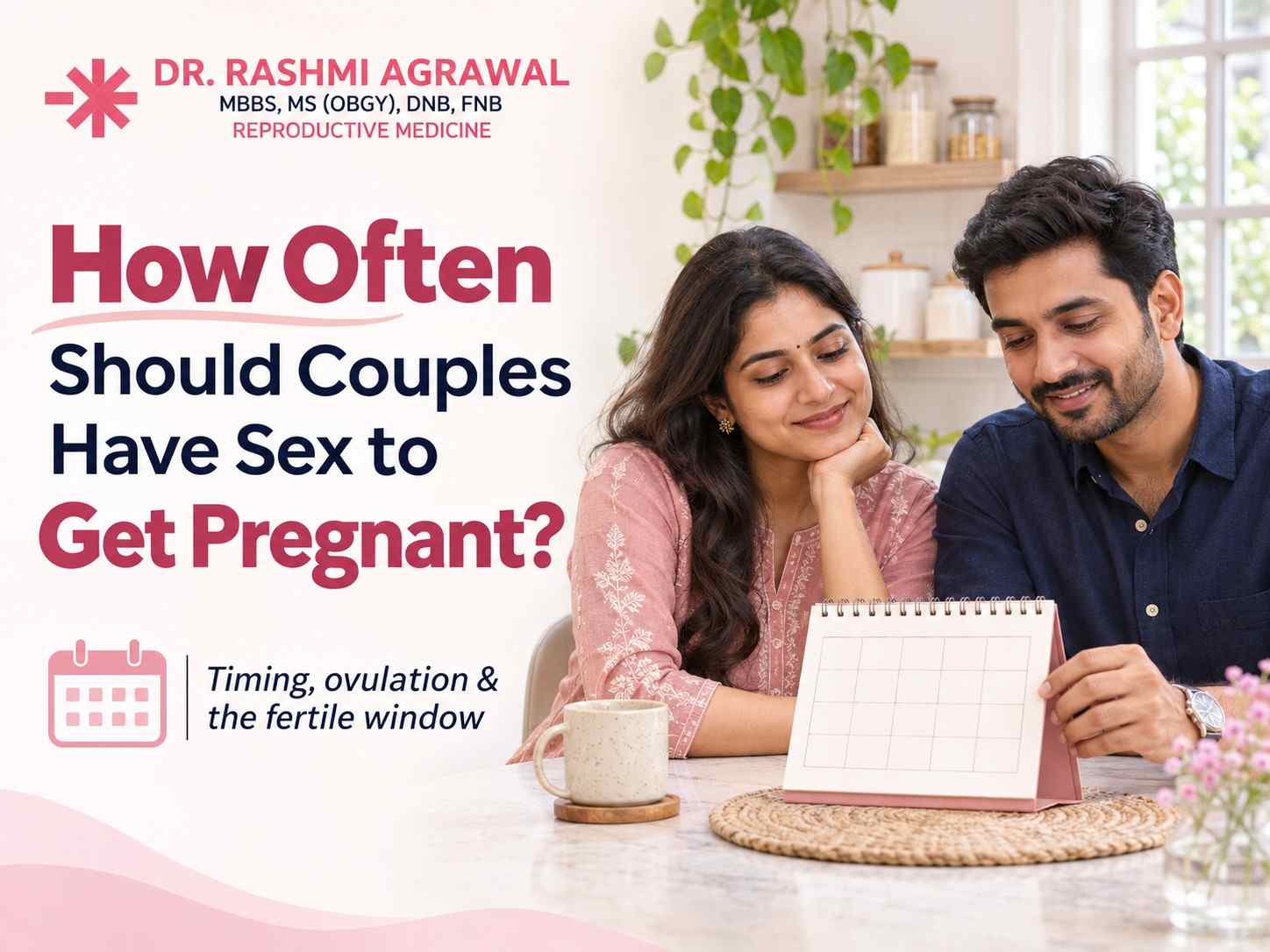
Couples trying to conceive often swing between two extremes: having sex only on the one day they think is "the" day, or trying so hard that intimacy turns into a timetable. Neither is ideal. The evidence points to something simpler and less stressful than most people expect. This article explains how often to have sex when trying to get pregnant, when it matters most in the cycle, which common beliefs are myths, and how long it normally takes.
The Short Answer
Have sex every one to two days during your fertile window.
If you do not want to track your cycle, having sex every two to three days throughout the month also works well, because it means sperm will almost always be present when ovulation happens.
According to the American Society for Reproductive Medicine's patient guidance, pregnancy rates are highest when couples have sex every one to two days during the fertile window. Long gaps between ejaculations can lower sperm quality, and infrequent sex risks missing the days around ovulation altogether.
What the Fertile Window Is
A woman can only conceive on a handful of days each cycle. This is the fertile window, and it is shaped by two facts.
Sperm can survive for up to around five days in the female reproductive tract, in the right conditions.
The egg survives for only about 12 to 24 hours after it is released.
Put together, the fertile window is roughly six days long: the five days before ovulation, plus the day of ovulation itself. A well-known study of couples trying to conceive, published in the New England Journal of Medicine, found that conception happened almost entirely when intercourse took place within this six-day window ending on the day of ovulation. The highest chances are in the two or three days just before ovulation and on the day itself.
This has an important practical consequence: the best time to have sex is before ovulation, not after it. Sperm need to be waiting when the egg is released. By the time ovulation has clearly happened, the window is largely closed.
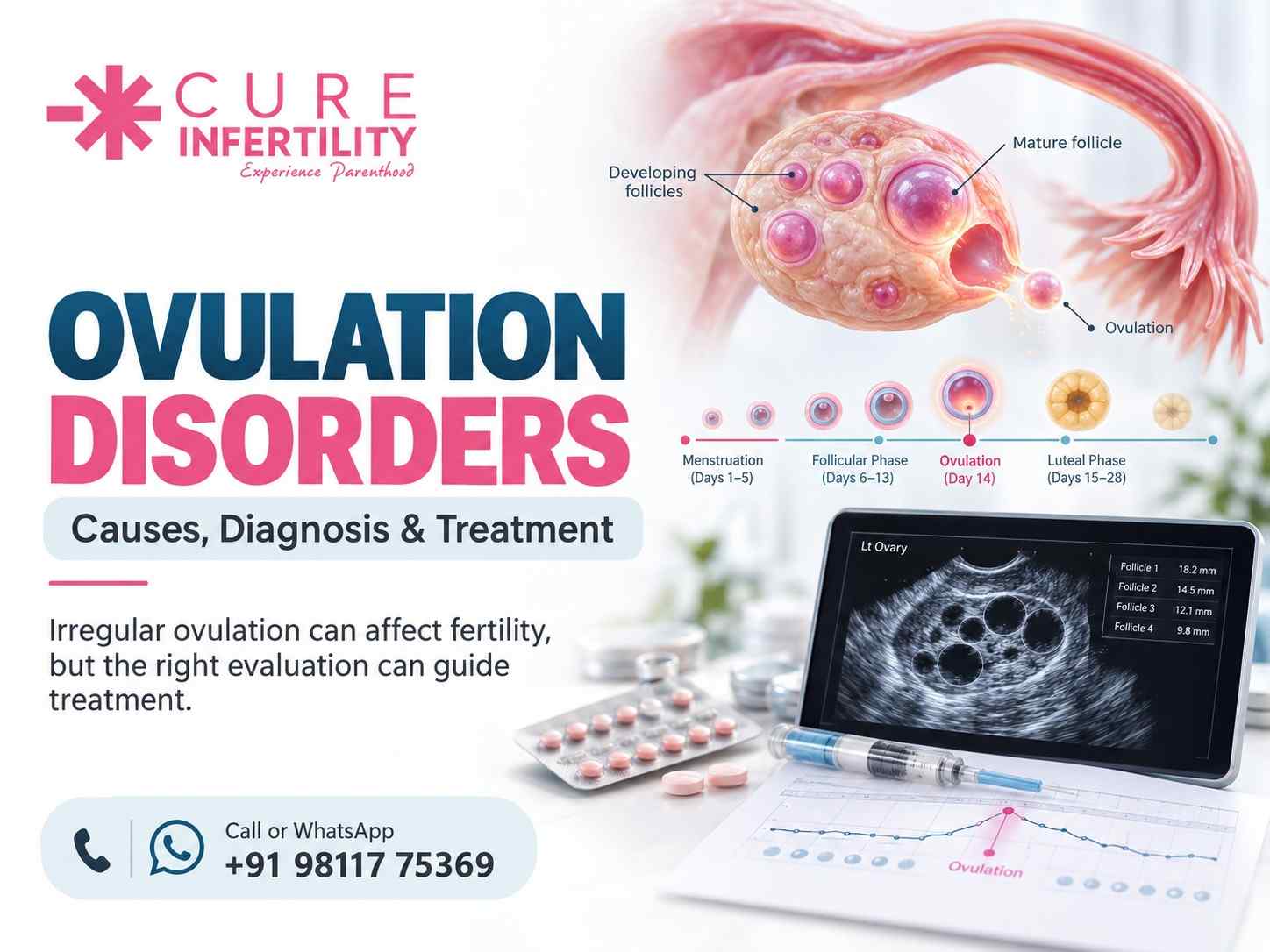
When Is Ovulation?
Ovulation usually happens about 14 days before the next period starts, not 14 days after the last one. In a regular 28-day cycle, that falls around day 14. In a 32-day cycle, it falls around day 18. In a 25-day cycle, around day 11.
So the more reliable way to estimate ovulation is to count backwards from when you expect your next period.
Signs that ovulation is approaching include:
- Cervical mucus that becomes clear, slippery and stretchy, similar to raw egg white, in the days before ovulation
- A positive ovulation predictor kit, which detects the hormone surge that usually precedes ovulation by about a day
- Mild one-sided pelvic discomfort around ovulation, which some women notice
Does Frequent Sex Lower Sperm Count?
This is one of the most persistent myths, and it leads many couples to "save up" sperm for the fertile days.
In men with normal semen, having sex every day or every other day does not meaningfully harm fertility. Although each ejaculation may contain slightly fewer sperm when sex is very frequent, the sperm tend to be of good quality. In contrast, long periods of abstinence allow older sperm to accumulate, which can reduce motility and increase DNA damage.
So abstaining for a week before the fertile window, hoping to build up a higher count, is more likely to work against you than for you.
Men with a known low sperm count should ask their doctor about timing, since the advice may be individualised. Our article on low sperm count explains the wider options.
Should You Have Sex Every Day?
Daily sex during the fertile window is fine if both partners want it, and it does not reduce your chances. But it is not necessary. Every other day gives very similar results with less pressure.
The right frequency is the one you can sustain comfortably. Couples who exhaust themselves trying to have sex every day often end up skipping days in the middle of the fertile window, which defeats the purpose.
Should You Track Ovulation at All?
You do not have to. Couples who have sex every two to three days throughout the cycle will reliably cover the fertile window without any tracking.
Tracking can help couples who have sex less often, who are apart for parts of the month, or who simply prefer to concentrate their efforts. The main tools are:
Ovulation predictor kits. Urine tests that detect the LH surge, usually one to two days before ovulation. Useful for timing. They can be misleading in women with PCOS, where LH may be raised throughout the cycle.
Cervical mucus. Free and reliable once you know what to look for. Slippery, stretchy mucus signals the most fertile days.
Fertility apps. These estimate the fertile window from past cycles. They are reasonably helpful with regular cycles and unreliable with irregular ones, since they are predicting rather than measuring.
Basal body temperature. A small rise in temperature confirms that ovulation has already happened, which is useful for understanding your pattern but too late for timing that cycle.
The key caution is not to let tracking narrow sex down to a single day. Waiting for a positive kit and then having sex only once can easily miss the best days.
If Your Periods Are Irregular
Counting days only works if your cycle is reasonably regular. If your cycles vary widely, are longer than 35 days, or periods are often missed, ovulation may be happening infrequently or not at all.
In that case, timing sex more precisely will not solve the problem. Irregular cycles are worth having checked rather than waiting a full year, because the causes are usually very treatable. Our article on ovulation disorders explains the common causes, and our article on PCOS covers the most frequent one.
Myths That Do Not Help
"Lie with your legs up afterwards." Sperm reach the fallopian tubes within minutes, whatever position you are in. There is no evidence that lying still or raising the legs afterwards improves the chance of conception. Resting for a few minutes is fine if you prefer, but it is not necessary.
"Certain positions work better." No sexual position has been shown to improve the chance of pregnancy.
"The woman needs to orgasm to conceive." There is no evidence that female orgasm is needed for conception.
"Ovulation is always on day 14." Only in a textbook 28-day cycle. Count back from your expected period instead.
"Sex after ovulation can still work." The egg survives only a short time after release. Sex in the days before ovulation matters far more.
A Note on Lubricants
Some common lubricants can affect sperm movement or survival. ASRM's patient guidance advises avoiding products such as Astroglide, KY Jelly and KY Touch, as well as saliva and olive oil, where possible. Products designed to be sperm-friendly, as well as mineral oil and canola oil, do not appear to have this effect and can be used if needed.
When Scheduled Sex Becomes Stressful
Trying to conceive can turn intimacy into a chore. Sex on a schedule, monthly disappointment and family pressure can all take a toll, and it is common for men in particular to develop difficulty with erection or ejaculation during the fertile days, even when this is not a problem at other times.
This is more common than people realise and is nothing to be embarrassed about. A few things help: not announcing "today is the day," keeping sex spontaneous where possible by simply having it regularly through the month, and talking openly as a couple about the pressure. If difficulties persist, speak to a doctor, since they are usually very treatable, and options such as IUI exist for couples who find timed intercourse genuinely difficult.
How Long Does It Usually Take?
Even with perfect timing, conception is not guaranteed in any single cycle. For younger women with regular cycles, ASRM's guidance estimates the chance of pregnancy at roughly 20 to 37 percent within three months of trying, about 80 percent within a year, and about 90 percent within two years.
Not conceiving in the first few months is normal and does not mean anything is wrong.
Age changes this considerably. Fertility declines from the mid-thirties onwards, which is why the advice on when to seek help changes with age. Our article on IVF success rates by age explains why.
When to See a Fertility Specialist
See a specialist if:
- You are under 35 and have been trying for 12 months
- You are 35 to 39 and have been trying for 6 months
- You are 40 or over, in which case it is reasonable to seek advice straight away
See someone sooner, regardless of how long you have been trying, if periods are irregular or absent, there is a history of pelvic infection, endometriosis, previous surgery or miscarriage, or there is a known issue with the male partner's fertility.
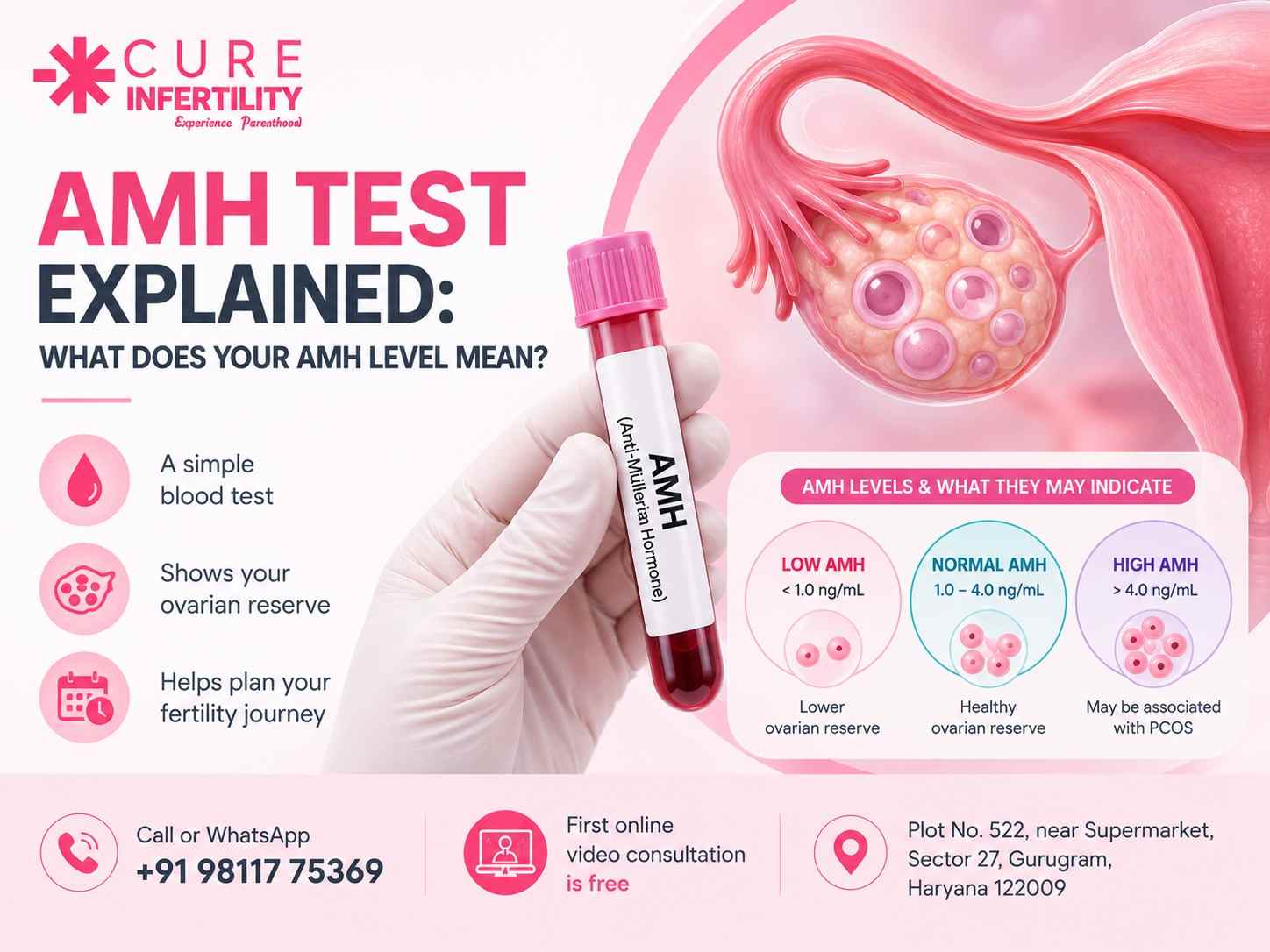
A first assessment usually includes hormone tests including AMH, a scan, a check of the fallopian tubes such as an HSG, and a semen analysis for the male partner. Both partners should be assessed together from the start.
You can see the full range of treatment options here.
You can book a free consultation with Dr. Rashmi Agrawal at the Sector 27, Gurugram clinic, read more about her background and approach, or check the FAQ page.
FAQs
How often should we have sex to get pregnant?
Every one to two days during the fertile window. If you prefer not to track your cycle, every two to three days throughout the month works well.
What is the best time to have sex to conceive?
In the two or three days before ovulation and on the day of ovulation. Sperm need to be present before the egg is released.
Does having sex every day reduce sperm count?
In men with normal semen, daily sex does not meaningfully harm fertility. Long gaps between ejaculations are more likely to reduce sperm quality.
Should we stop having sex before the fertile window to save sperm?
No. Abstaining for long periods can reduce sperm quality. Regular sex through the cycle is better.
Does lying down after sex help you get pregnant?
There is no evidence that it does. Sperm reach the fallopian tubes within minutes regardless of position.
Can you get pregnant right after your period?
It is less likely, but possible, especially with shorter cycles, because sperm can survive for several days and ovulation may come early.
How long does it take to get pregnant?
For younger women with regular cycles, about 20 to 37 percent conceive within three months, about 80 percent within a year and about 90 percent within two years.
Do ovulation kits work?
They can help with timing in women with regular cycles. They are less reliable in women with PCOS, and relying on a single positive test to time sex once can miss the best days.
References
1. American Society for Reproductive Medicine. Optimizing Natural Fertility, patient fact sheet. https://www.reproductivefacts.org/news-and-publications/fact-sheets-and-infographics/optimizing-natural-fertility/
2. Wilcox AJ, Weinberg CR, Baird DD. Timing of sexual intercourse in relation to ovulation: effects on the probability of conception, survival of the pregnancy, and sex of the baby. New England Journal of Medicine, 1995. https://www.nejm.org/doi/full/10.1056/NEJM199512073332301
Medically reviewed
Reviewed by Dr. Rashmi Agrawal — MBBS (Gold Medalist), MS OBGYN, FNB Reproductive Medicine, DMC Reg. No. 76953 (2016). This article is general information, not a substitute for a consultation about your own reports.
Book Consultation