PGT-M is the least controversial form of embryo genetic testing, and arguably the most important. Where PGT-A screens embryos broadly for chromosome number and carries a genuine debate about who benefits, PGT-M answers one specific question for one specific family: does this embryo carry the disease we already know runs in our family? For couples at risk of passing on a serious inherited condition, it can be the difference between repeated heartbreak and a healthy child. Here is who it is for, what it can detect, and what it involves.
What PGT-M Is
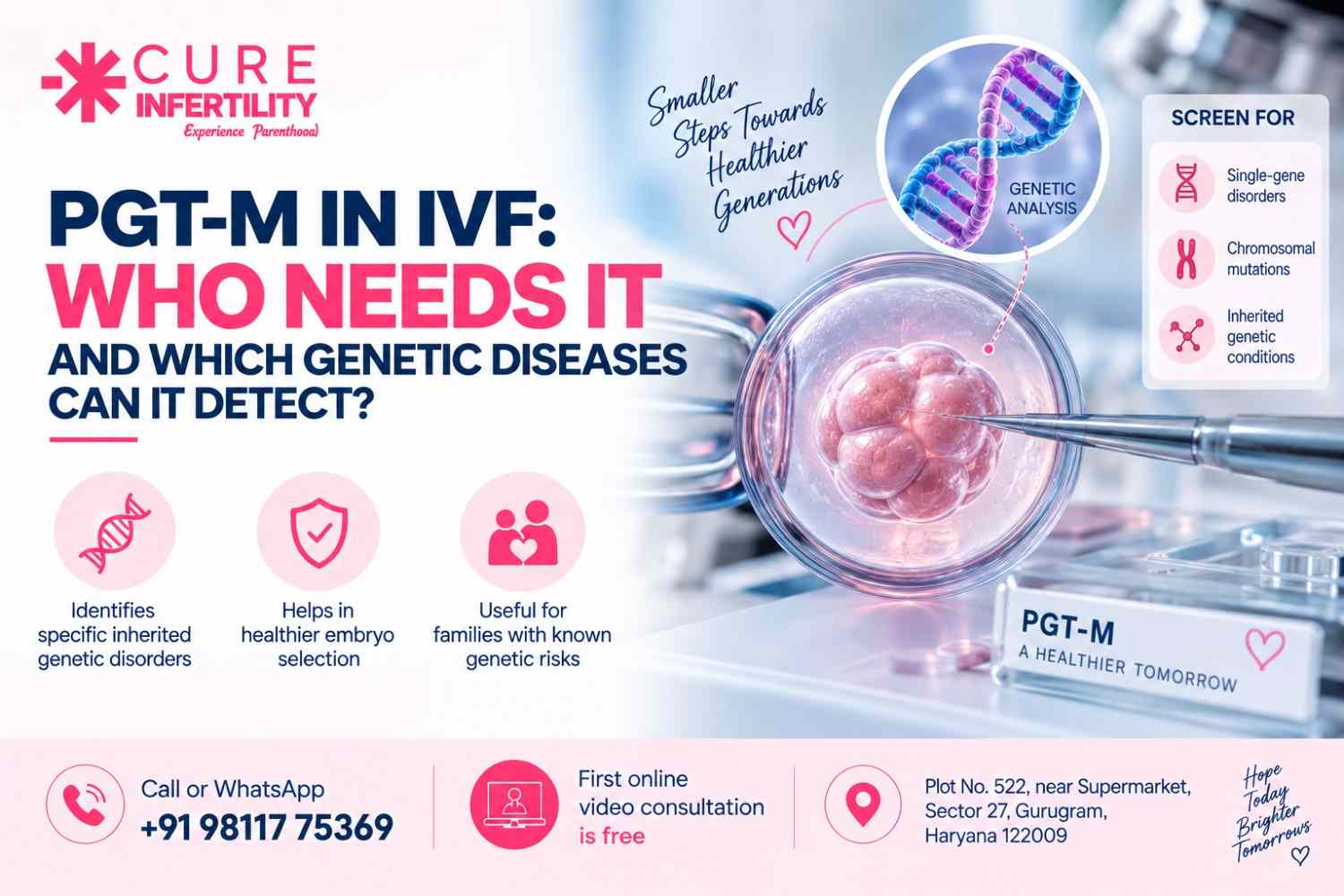
Preimplantation Genetic Testing for Monogenic disorders tests embryos created through IVF for a specific single-gene condition that one or both parents are known to carry. Only embryos unaffected by that condition are selected for transfer.
The key word is specific. PGT-M is not a general health screen. It is designed around a mutation already identified in your family, and it looks for that mutation and nothing else unless additional testing is ordered.
This is the fundamental difference from PGT-A, which screens for abnormal chromosome numbers across all embryos regardless of family history. Our article on PGT-A in IVF covers that test and its more debated role. The two can be combined in the same cycle where appropriate.
Who Needs PGT-M
PGT-M is indicated when there is a known, identified risk of passing on a serious genetic condition. That typically means one of the following.
Both partners are carriers of the same recessive condition. Each carrier parent is healthy, but each pregnancy carries a one in four chance of an affected child. This is the most common indication in India, largely because of thalassaemia.
One partner has or carries a dominant condition. Each pregnancy carries a one in two chance of passing it on.
The female partner carries an X-linked condition. Sons have a one in two chance of being affected, and daughters a one in two chance of being carriers.
A previous child has been diagnosed with a genetic condition, and the specific mutation has been identified.
A known family history of a genetic disease, where testing has confirmed one or both partners carry the mutation.
A previous pregnancy was terminated because a genetic condition was found on prenatal testing.
The last point matters. Many couples in this situation have already faced the choice of ending a wanted pregnancy after amniocentesis or chorionic villus sampling found an affected baby. PGT-M moves that decision to before pregnancy begins, which many families find considerably easier to live with.
Which Genetic Diseases Can PGT-M Detect?
In principle, almost any condition caused by a known single-gene mutation. In practice, the conditions most commonly tested for include the following.
Beta thalassaemia. The single most important indication in India, where carrier rates are high in many communities. Where both partners are thalassaemia carriers, each pregnancy carries a one in four risk of thalassaemia major, a condition requiring lifelong transfusions.
Sickle cell disease, relevant in specific regional and community populations in India.
Cystic fibrosis, which is also relevant in male infertility, since congenital absence of the vas deferens is linked to cystic fibrosis gene mutations. Our article on azoospermia covers why both partners need testing in that situation.
Spinal muscular atrophy (SMA), a recessive condition affecting motor nerve cells.
Duchenne and Becker muscular dystrophy, X-linked conditions affecting boys.
Haemophilia A and B, X-linked bleeding disorders.
Fragile X syndrome, the most common inherited cause of intellectual disability.
Huntington's disease, a dominant neurodegenerative condition.
Polycystic kidney disease, in its dominant and recessive forms.
Hereditary cancer syndromes, including BRCA1 and BRCA2 mutations. Testing for adult-onset conditions raises different ethical considerations from childhood-onset diseases, and is approached case by case.
Rarer metabolic and neurological disorders, where the family mutation is known.
If a condition runs in your family and is caused by a single identified mutation, PGT-M is very likely possible. The limiting factor is almost always whether the specific mutation has been identified, not whether the disease is on a list.
The Step Most Couples Do Not Know About: Test Development
PGT-M cannot be ordered off the shelf the way PGT-A can. Before any IVF cycle begins, the laboratory has to design a test specific to your family.
This usually requires blood or saliva samples from both partners, and often from other family members, particularly an affected child or relatives with known status. The laboratory uses these to identify the mutation and the surrounding genetic markers that travel with it. Those markers improve accuracy considerably, because they allow the test to confirm the result through more than one route.
This work takes time, often several weeks and sometimes a few months, depending on the condition and the laboratory. It is the single most important practical point in this article: the IVF cycle should not start until the test has been designed and validated. Couples who begin stimulation first sometimes find themselves with frozen embryos and a test that is still weeks away.
The corollary is that you need a confirmed genetic diagnosis before any of this can begin. A vague family history is not enough. The specific mutation must be identified through genetic testing and ideally interpreted with a genetic counsellor.
How the Process Works
Once the test is ready, the IVF cycle proceeds much as any other.
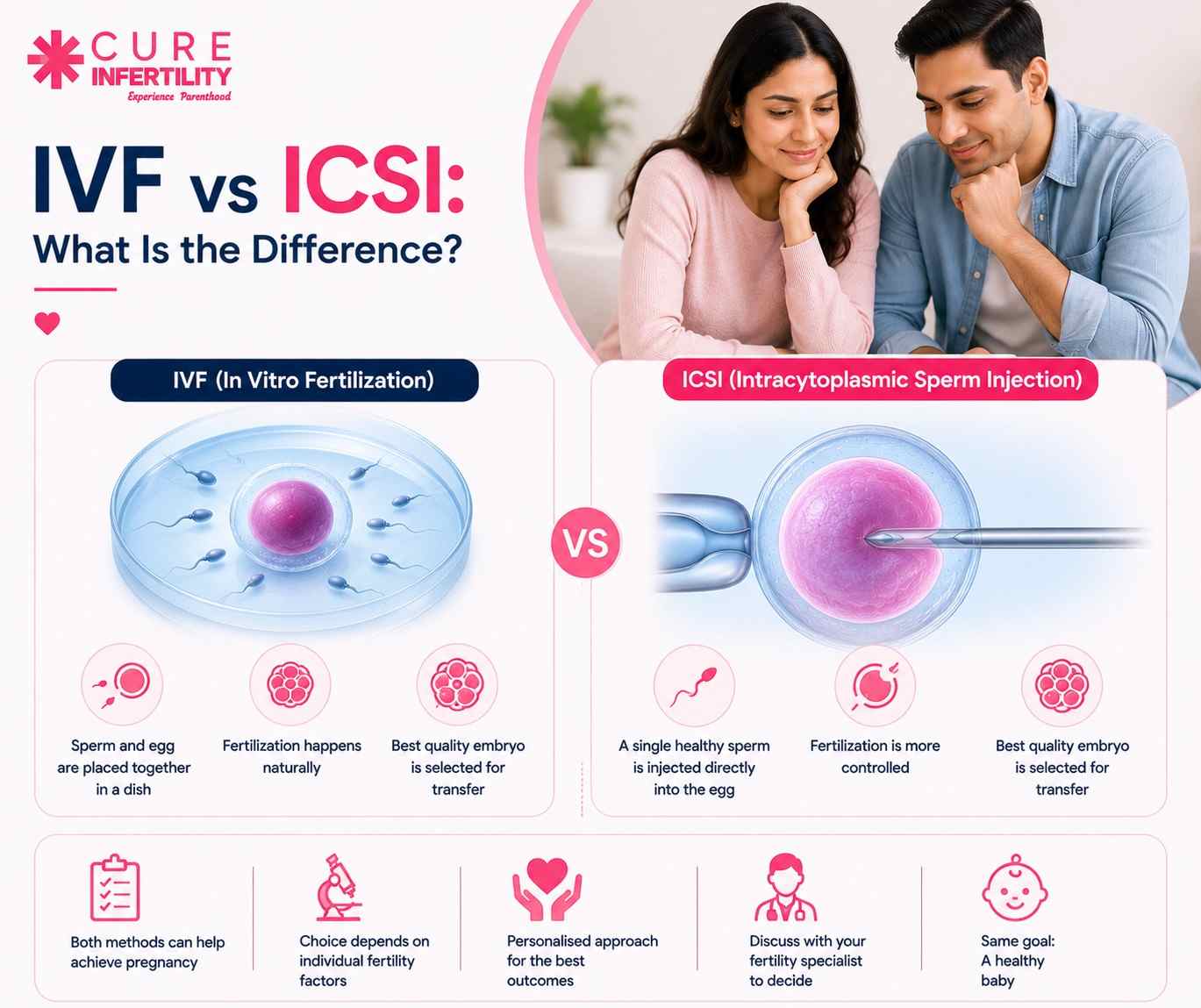
Ovarian stimulation and egg retrieval follow the standard IVF process. Fertilisation is done by ICSI rather than conventional IVF, because stray sperm attached to the outside of the egg could contaminate the genetic sample. Embryos are cultured to blastocyst stage, a few cells are biopsied from the outer layer that forms the placenta, and the embryos are frozen while testing is carried out.
Transfer always happens in a later frozen cycle, once results are available.
One point worth being clear about: in a recessive condition where both parents are carriers, on average one in four embryos will be affected, two in four will be unaffected carriers, and one in four will be entirely unaffected non-carriers. Unaffected carriers are healthy and are generally suitable for transfer, since carriers of recessive conditions do not have the disease.
Why Egg Numbers Matter More Here
PGT-M narrows the pool of usable embryos, sometimes substantially.
In a recessive condition, roughly a quarter of embryos will be affected and excluded. In a dominant or X-linked condition, it can be half. If PGT-A is added, chromosomally abnormal embryos are excluded as well. And some embryos will return inconclusive results.
This means the number of eggs retrieved and embryos reaching blastocyst matters considerably more than in a standard IVF cycle. Age and ovarian reserve therefore play a central role, as covered in our articles on IVF success rates by age and on low AMH and pregnancy. Some couples, particularly where reserve is lower, choose to bank embryos across more than one stimulation cycle before testing.
Accuracy and Limitations
PGT-M is highly accurate when the test is well designed, but it is not infallible, and honest counselling includes the limitations.
Misdiagnosis is rare but possible. Very small cell samples, contamination, or a technical phenomenon called allele dropout can occasionally produce an incorrect result. Testing linked markers alongside the mutation itself reduces this risk considerably.
The biopsy tests the placenta-forming cells, not the baby directly. These usually reflect the embryo accurately, though not always.
Confirmatory prenatal testing is still recommended. Most specialists advise chorionic villus sampling or amniocentesis during the pregnancy to confirm the result. This is a recommendation rather than a requirement, and the decision is yours.
It tests only for the condition it was designed for. A PGT-M test for thalassaemia tells you nothing about cystic fibrosis or chromosomal conditions such as Down syndrome, unless those are specifically added.
It does not guarantee pregnancy. It selects unaffected embryos. It does not improve their quality or their chance of implantation.
The Legal and Ethical Framework in India
Embryo genetic testing in India is regulated, principally under the Assisted Reproductive Technology (Regulation) Act and the PCPNDT Act. Two points are worth understanding.
PGT-M is permitted for serious genetic disease. Testing embryos to avoid passing on a known inherited condition is a legitimate medical use.
Sex selection is prohibited. Embryo testing cannot be used to choose the sex of a child for non-medical reasons, and sex is not disclosed. For X-linked conditions, testing is directed at identifying embryos unaffected by the disease itself, not at selecting by sex.
Any centre offering embryo testing should be registered and operating within this framework. If a service seems willing to bend these rules, that should concern you, since it says something about how the rest of your care will be handled.
Genetic Counselling Is Not Optional
Before PGT-M, a proper session with a genetic counsellor or clinical geneticist should cover the specific condition and its inheritance pattern, the realistic proportion of embryos likely to be affected, the accuracy and limitations of testing, the option of confirmatory prenatal testing, and the alternatives, which include natural conception with prenatal diagnosis, donor gametes, adoption, or proceeding without testing.
PGT-M is a significant undertaking. It deserves an informed decision, not a default one.
Should Carriers Be Tested Before Marriage or Pregnancy?
This is worth raising because of thalassaemia specifically.
In communities where thalassaemia carrier rates are high, a simple blood test (HbA2 levels by HPLC) can identify carrier status before pregnancy, and ideally before marriage. Where both partners turn out to be carriers, the couple can plan with full knowledge: PGT-M through IVF, prenatal testing in a natural pregnancy, or other options.
Many families only discover they are both carriers after the birth of an affected child. A test costing very little could have changed that.
The Honest Summary
PGT-M has a clear and well-established role for couples with a known risk of passing on a serious single-gene condition. It is highly accurate when properly designed, it allows families to avoid a painful decision later in pregnancy, and in the Indian context it is particularly relevant for thalassaemia.
It requires a confirmed genetic diagnosis first, a custom test designed before IVF begins, and realistic expectations about embryo numbers. Done in the right order, it works well.
You can read more on the PGT and IVF treatment pages, and see the full range of treatment options here.
You can book a free consultation with Dr. Rashmi Agrawal at the Sector 27, Gurugram clinic to discuss your family history and whether PGT-M is appropriate, read more about her background and approach, or check the FAQ page.
FAQs
What is the difference between PGT-M and PGT-A?
PGT-M tests embryos for a specific inherited single-gene condition that runs in the family. PGT-A screens all embryos for abnormal chromosome numbers regardless of family history. They answer different questions and can be combined in the same cycle.
Who should consider PGT-M?
Couples who are both carriers of the same recessive condition, where one partner carries a dominant condition, where the female partner carries an X-linked condition, or where a previous child or pregnancy was affected by a known genetic disease.
Can PGT-M detect thalassaemia?
Yes. Beta thalassaemia is one of the most common reasons for PGT-M in India, particularly where both partners are carriers.
How long does PGT-M take?
Designing the family-specific test usually takes several weeks, sometimes a few months, and must be completed before the IVF cycle starts. Embryo results then take a further period, with transfer in a later frozen cycle.
Do I need a genetic diagnosis before PGT-M?
Yes. The specific mutation must be identified through genetic testing first. A family history alone is not sufficient to design the test.
Is PGT-M 100 percent accurate?
It is highly accurate when well designed, but not infallible. Confirmatory prenatal testing during pregnancy is generally recommended.
Can carrier embryos be transferred?
In recessive conditions, yes. Carriers do not have the disease, so unaffected carrier embryos are generally considered suitable for transfer.
Can PGT-M be used to choose the baby's sex?
No. Sex selection is prohibited under Indian law. For X-linked conditions, testing identifies embryos unaffected by the disease rather than selecting by sex.
Does PGT-M require IVF?
Yes. Embryos must be created in the laboratory through IVF with ICSI to be biopsied and tested before transfer.